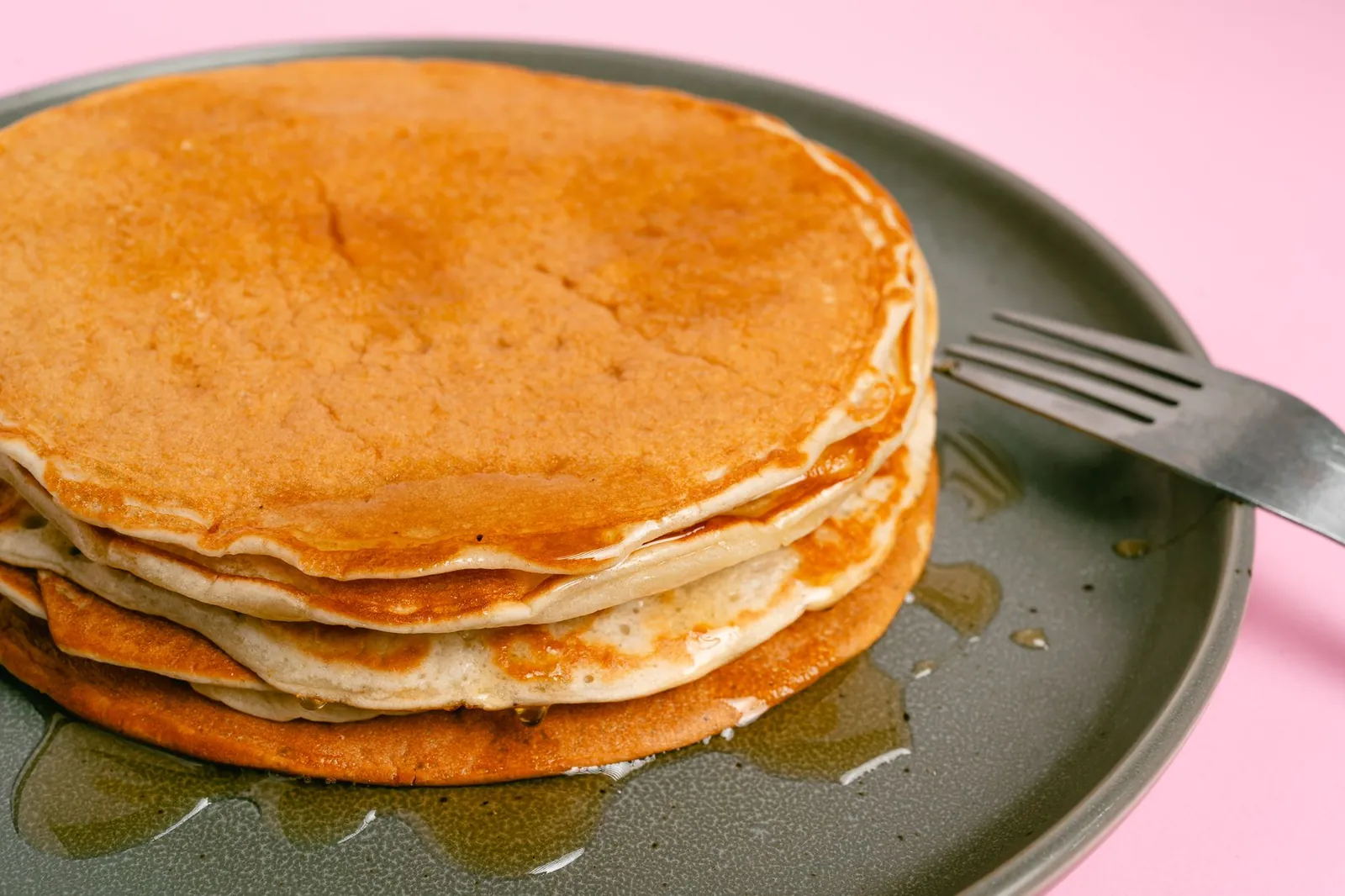
Maple syrup has one job in most kitchens, and it is a good one: it goes on pancakes. For a lot of people the bottle comes out on a lazy weekend, does its breakfast duty, and then sits at the back of the cupboard turning slowly darker until the next stack of pancakes calls it back. That is a shame, because real maple syrup is one of the most useful flavours you can keep. It is not just sweet — it carries toffee, caramel and a faint woody, smoky note that comes straight from the boiled sap of the maple tree. That savoury edge is exactly what makes it worth reaching for far beyond the breakfast table. Once you start treating maple as a seasoning rather than a topping, it turns up in dressings, glazes, roasted vegetables and sauces, quietly making things taste rounder and more grown-up. Here is how to get the bottle out of the pancake corner and into the rest of your cooking.
Know your grade first
Real maple syrup is graded by colour and flavour, and the grade tells you where it works best. Lighter, golden syrup — often labelled "Golden, Delicate Taste" — is mild and clean, lovely drizzled raw where you want a soft maple note. As the season goes on the syrup runs darker and stronger, through amber and then dark, until you reach the deepest "Very Dark, Strong Taste", which is bold, almost molasses-like, and built for cooking.
For anything you heat or want to stand up to other flavours, reach for a darker grade. It has more character to give and will not disappear the way a delicate golden syrup can. Keep a lighter one for finishing and a darker one for cooking, and you cover most of what maple can do. And do check the label: many bottles labelled "maple-flavoured syrup" are mostly corn syrup with a hint of maple, and they behave and taste quite differently from the real thing.
Dressings and marinades
Maple is a natural partner for sharp and salty things, which makes it a quiet hero in dressings. A spoonful whisked into a vinaigrette with mustard, olive oil and a good vinegar rounds off the acidity and gives the whole thing a warm backbone. It does the same in a marinade: maple with soy sauce, a little garlic and some chilli makes a glaze that caramelises beautifully on roasted or grilled things and tastes far more complex than the short ingredient list suggests.
Roasting and glazing
Some of maple's best work happens in a hot oven. Toss carrots, parsnips, squash or Brussels sprouts with a little oil, salt and a drizzle of dark maple before roasting, and the sugars caramelise into sticky, deeply flavoured edges. The wood-and-toffee note of the syrup suits earthy autumn vegetables especially well, turning a plain tray of roots into something you actually want seconds of.
The same logic makes maple a fine glaze for anything you want burnished and sticky. Brushed onto roasting vegetables in the last few minutes, or stirred into a pan sauce, it adds gloss and a rounded sweetness that plain sugar cannot match. Because it is already a liquid, it melts into a glaze without any fuss.
Small everyday wins
Beyond the big cooking jobs, maple earns its keep in tiny ways. Stir a little into a bowl of porridge or plain yoghurt instead of sugar and you get flavour as well as sweetness. Sweeten a strong coffee or a mug of cocoa with it and you pick up a caramel note in the background. A spoonful in a batch of granola before it bakes helps it clump and toast, and lends the whole thing that woody warmth. Even a splash in a pot of baked beans or a barbecue-style sauce deepens the flavour in a way that is hard to place but easy to miss once it is gone. None of these are recipes so much as habits — the habit of reaching for the maple bottle when you want warmth and roundness, not just sweetness, and letting its flavour do the work.