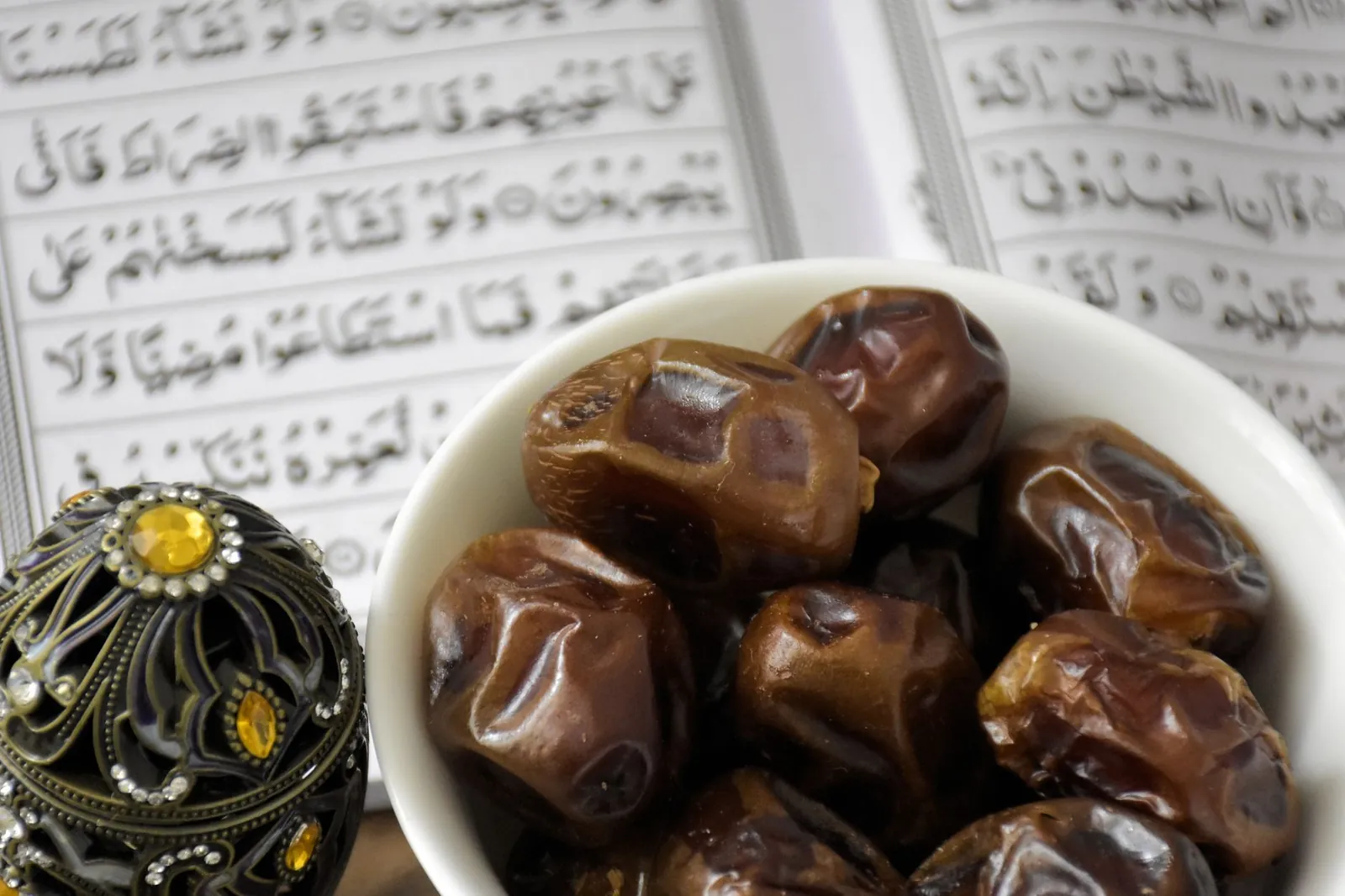
Date syrup is one of those pantry staples that feels ancient and exotic, and then turns out to be almost embarrassingly easy to make at home. It is nothing more than dates and water, cooked down and strained until you are left with a thick, dark, glossy syrup that tastes of caramel, toffee and dried fruit all at once. Shops sell it in smart little bottles, often for a fair bit of money, and there is nothing wrong with buying it. But if you have a bag of dates and an afternoon, you can make a jar of your own that is fresher, cheaper and tuned exactly to how thick you like it. The whole process is mostly waiting: you soak, you simmer, you blend, you strain, and you reduce. There is no special equipment and no thermometer, and if you have ever made a fruit compote you already know the rhythm of it. What you end up with is a naturally sweet syrup with real flavour behind it — the kind of thing you drizzle, stir and spoon far more thoughtfully than plain sugar.
What you need
The list is short. You want soft dates — Medjool are the classic choice because they are plump and sweet, but any soft dried date works, and slightly cheaper varieties are fine here since you are cooking them down anyway. Beyond that, all you need is water, a saucepan, a blender or a sturdy potato masher, and something to strain with: a fine sieve, or a sieve lined with a piece of muslin or a clean cloth. A rough guide is around 500 grams of pitted dates to a litre of water, but the amounts are forgiving. Always check the dates are pitted, or pit them yourself, before anything goes in the pan.
The method, step by step
Start by soaking. Put the pitted dates in a bowl, cover them with just-boiled water, and leave them for half an hour to an hour until they are very soft. This softens the flesh so it breaks down easily and gives you a smoother syrup with less effort.
Next, simmer. Tip the dates and their soaking water into a saucepan, top up so the dates are well covered, and bring it to a gentle simmer. Let it bubble softly for twenty to thirty minutes, stirring now and then, until the dates are collapsing and the water has turned deep brown. You want them almost falling apart.
Now blend. Take the pan off the heat, let it cool a little, then blend the whole lot to a smooth purée — a stick blender in the pan is easiest, but a jug blender works too. If you have neither, mash hard with a potato masher and accept a slightly rustic result.
Then strain. Pour the purée through your lined sieve set over a bowl and let gravity do the work. Press and squeeze the pulp with the back of a spoon, or gather the cloth and wring it, to push through as much of that dark liquid as you can. What is left behind is fibrous skin and pulp; what runs through is your syrup.
Reducing to the right thickness
The strained liquid is often a little thin, so the last step is to reduce it. Return the syrup to a clean pan and simmer it gently, uncovered, stirring from time to time so it does not catch on the bottom. As the water evaporates it thickens and darkens, and the flavour concentrates into something richer. Stop when it coats the back of a spoon and drips slowly — remember it will thicken a bit more as it cools, so pull it off just before it looks perfect. If you overshoot and it sets too stiff, a splash of hot water loosens it again.
Storing and using it
Pour the finished syrup into a clean, dry jar or bottle while it is still warm, let it cool, then keep it in the fridge, where it will last for several weeks. Because it is so concentrated it does not spoil quickly, but the fridge keeps it safe and slows any chance of fermentation. Use it as you would any thick syrup: over pancakes and yoghurt, stirred into porridge, drizzled on roasted fruit, whisked into a dressing, or spooned into bakes for a deep, dried-fruit sweetness. Its caramel note also loves warm spices, so it is a natural in anything with cinnamon, cardamom or ginger. Once you have made a jar, you tend to keep making it — it is that simple, and that good.